
Switchable Film India – Smart Privacy Film for Every Space
Photochromic film acts like sunglasses for your windows. It automatically darkens when the sun is out and goes back to clear when it’s not. It is perfect for keeping rooms cooler, reducing glare, and adding a touch of privacy. No buttons, no cords, just a smart material that reacts to sunlight.
What is Photochromic Film? – Glass That Adapts to the Sun
Imagine stepping into your office on a bright, sunny morning. The large windows let in abundant natural light – but as the sun climbs higher and the glare intensifies, your photochromic window film automatically darkens, cutting the harsh brightness and keeping the space comfortable. As clouds roll in or evening approaches, the film gradually clears again – letting in soft, gentle light. All of this happens automatically – no switches, no remotes, no manual adjustments.
That’s the power of photochromic film India is embracing.
Photochromic film – also known as photochromic glass film, sun reactive window film, or self-tinting window film – is an advanced window film that automatically adjusts its tint in response to sunlight. When exposed to UV rays, the film darkens – reducing glare, blocking heat, and providing privacy. When the UV exposure decreases, the film returns to its clear state – maximising natural light and outward visibility.
In simple terms: It’s like sunglasses for your windows – they get darker when the sun is bright and lighter when it’s not.
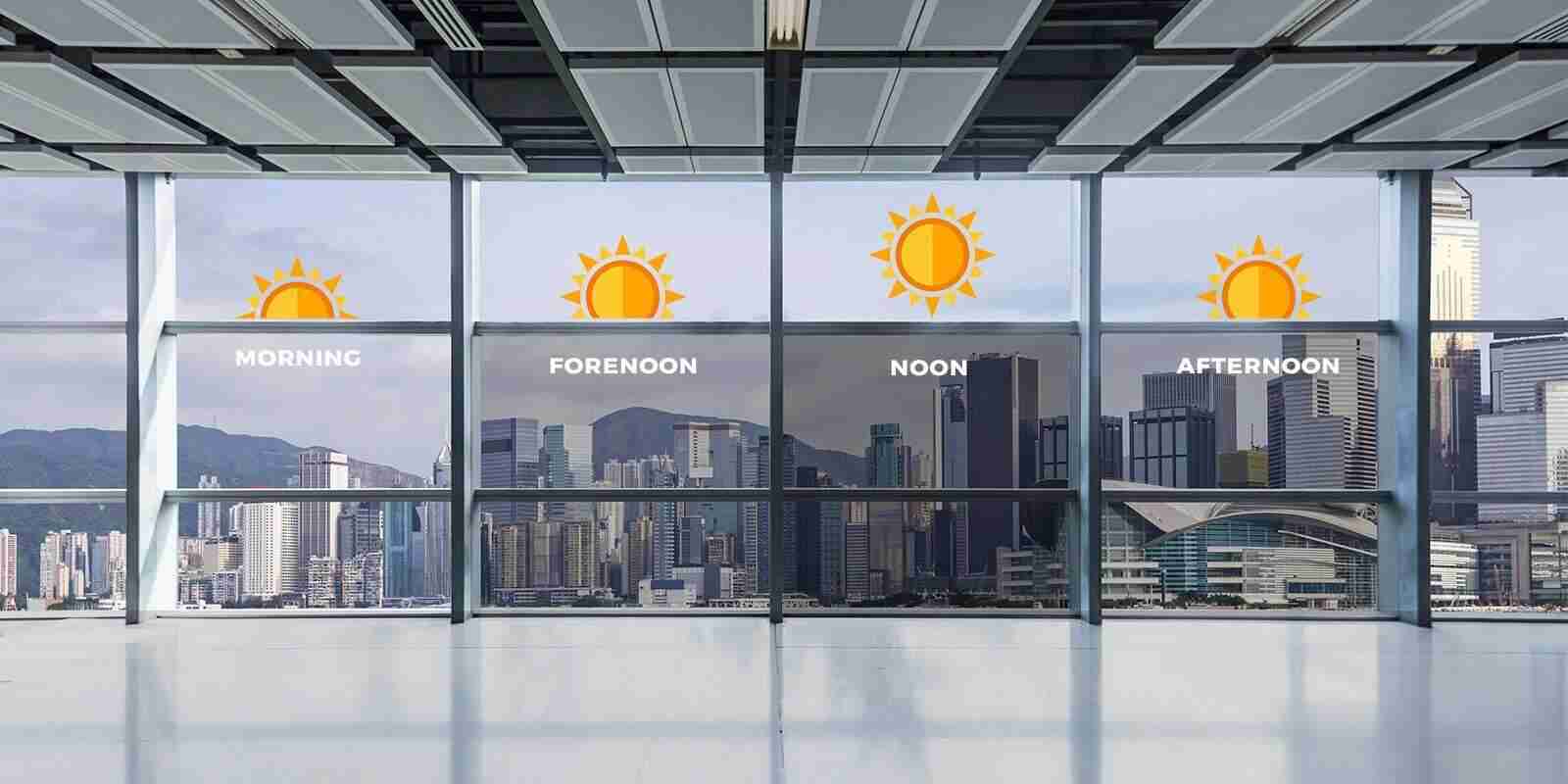
This innovative technology is revolutionising how Indians think about window treatments – offering automatic comfort, energy savings, and UV protection without any effort or maintenance.
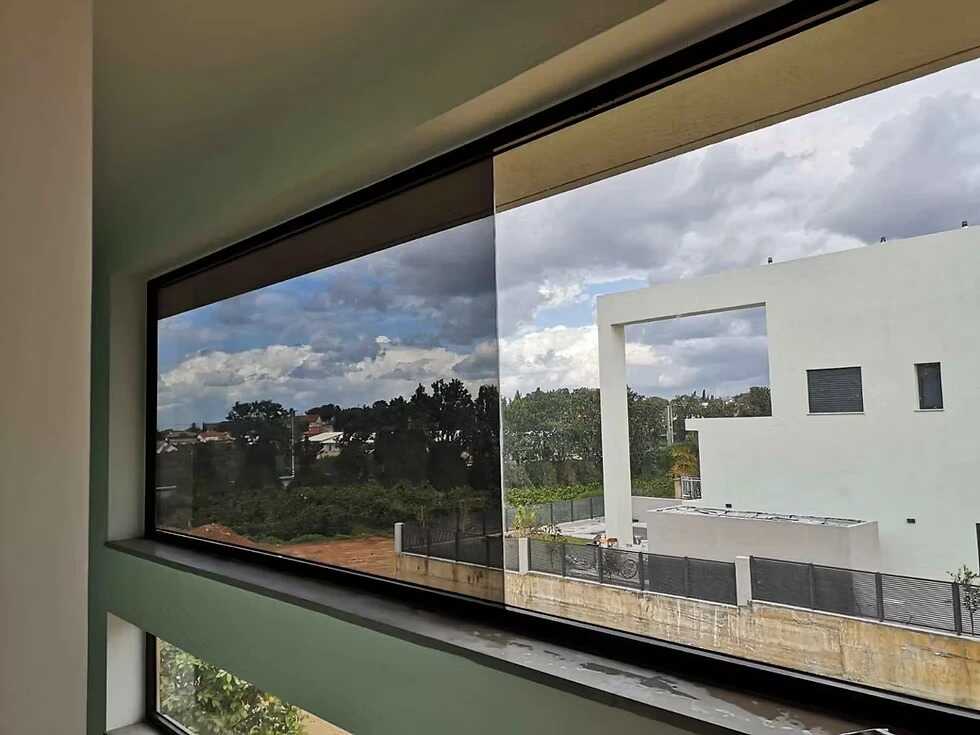
Key characteristics of photochromic film:
Automatic operation – No switches, remotes, or manual control needed
UV-activated – Responds specifically to UV rays, not just visible light
Reversible – Cycles between dark and clear thousands of times without degradation
UV protection – Blocks over 99% of harmful UV rays at all times
Heat reduction – Reduces solar heat gain when darkened
How Does Photochromic Film Work? – The Science of Smart Tinting
Photochromic film contains photochromic molecules – special compounds that change their molecular structure when exposed to ultraviolet (UV) light. This structural change alters how the molecules absorb and transmit light, creating the tinting effect.
Condition | What Happens | Result |
Sunlight/UV exposure | Photochromic molecules change structure | Film darkens – reduces glare, blocks heat |
Cloudy/indoor/low UV | Molecules return to original structure | Film clears – maximises natural light |
The heat sensitive glass film effect is actually triggered by UV light rather than temperature – though the two often go hand in hand on sunny days. The transition is gradual and smooth, taking anywhere from 30 seconds to a few minutes depending on the intensity of UV exposure.
Photochromic Film vs Traditional Window Films – What's the Difference?
This is one of the most common questions we hear. While both are applied to glass, they offer very different experiences:
Feature | Traditional Window Film | Photochromic Film |
Tint level | Fixed, constant | Automatically adjusts to sunlight |
Adaptability | None – same tint always | Dynamic – responds to UV intensity |
Privacy | Fixed – either always tinted or always clear | Adaptive – darker when sunny, clearer when cloudy |
Night visibility | Reduced if tinted | Clear at night – excellent outward visibility |
Energy efficiency | Good – constant heat blocking | Excellent – blocks heat only when needed |
Best for | Static needs | Dynamic environments, changing conditions |
The bottom line: Photochromic film offers adaptive, intelligent light control that traditional films simply cannot match – automatically optimising comfort, privacy, and energy efficiency throughout the day.
Why Choose Switchable Film?
Automatic Comfort – Set It and Forget It
Unlike blinds, curtains, or traditional films that require manual adjustment, photochromic film works automatically. It darkens when the sun is bright and clears when it's not – keeping your space comfortable throughout the day without any effort on your part.
Superior Glare Reduction
Sun reactive window film dramatically reduces glare from direct sunlight – making it perfect for offices, home theaters, and any space with screens. Employees can work comfortably without squinting, and screen visibility improves significantly.
UV Protection – 24/7
Photochromic film blocks over 99% of harmful UV rays at all times – whether the film is dark or clear. This protects your skin, furniture, artwork, and flooring from sun damage year-round.
Energy Savings
By automatically blocking solar heat when the sun is strongest, self-tinting window film reduces the need for air conditioning – lowering energy bills. In India's climate, this is a significant advantage.
Privacy on Demand
When the film darkens in response to sunlight, it provides natural privacy – making it harder to see into the space from outside. When it clears, you enjoy open views and abundant natural light.
No Maintenance, No Moving Parts
Photochromic film has no motors, no switches, no batteries, and no moving parts – nothing to break or maintain. It's a passive, durable solution that works reliably for years.
Where to Use Photochromic Film
Corporate Offices & Workspaces
Photochromic film is perfect for office windows, glass partitions, and meeting rooms. It reduces glare on computer screens, keeps workspaces comfortable, and provides automatic privacy when the sun is bright – all without distracting employees with manual adjustments.
Residential Homes & Apartments
Indian homeowners are embracing photochromic film for living room windows, bedroom glass, balcony doors, and skylights. The automatic tinting keeps homes cool and comfortable while eliminating the need for curtains or blinds. Children's rooms benefit from UV protection without sacrificing natural light.
Automotive – Cars & Vehicles
Photochromic film for car windows is gaining popularity in India. It automatically darkens in bright sunlight – reducing cabin heat, protecting interiors from fading, and improving driving comfort. The film remains clear at night, ensuring excellent visibility for safe driving.
Hotels & Hospitality
Hotels use photochromic film in guest rooms, lobby windows, and restaurant spaces – offering guests automatic comfort without the need for manual controls. The adaptive tinting creates a premium experience that guests appreciate.
Healthcare Facilities
Hospitals and clinics benefit from photochromic film in patient rooms, waiting areas, and consultation spaces. The automatic glare reduction and UV protection create a healing environment, while the clear state ensures patients enjoy natural views and daylight.
Retail & Showrooms
Retail stores and showrooms use photochromic film for window displays and storefronts. The adaptive tinting protects merchandise from UV damage, reduces heat, and creates an inviting storefront that adjusts to the time of day.
Why Sumona? – Your Trusted Photochromic Film Partner
Sumona is a premier supplier and installation specialist for high-quality photochromic film solutions across India. We serve architects, interior designers, contractors, and homeowners with:
Premium quality materials
We source photochromic film from certified global partners
Expert installation
Our experienced team ensures flawless application and finishing
Customised solutions
Any size, shape, or design – we tailor each project to your specifications
Pan-India service
From Noida to Bangalore, Mumbai to Kolkata – we serve clients nationwide
Dedicated support
We provide comprehensive after-sales support for every project
Important Note: Sumona is a solution provider and installation specialist, not a manufacturer. We partner with India’s leading photochromic film manufacturers to bring you the best products without the factory overhead. This allows us to focus on what we do best – understanding your needs and delivering flawless installations.
FAQs
What is photochromic film?
Photochromic film, also known as sun reactive window film or self-tinting window film, is a smart window film that automatically darkens in response to UV light and clears when UV exposure decreases.
How does photochromic film work?
Photochromic film contains special molecules that change structure when exposed to UV rays – causing the film to darken. When UV exposure decreases, the molecules return to their original structure and the film clears.
Does photochromic film provide privacy?
Yes – when the film darkens in response to sunlight, it provides natural privacy by making it harder to see into the space from outside. When it clears, you enjoy open views.
Can photochromic film be used on car windows?
Yes – photochromic film for car windows is available and popular in India. It reduces cabin heat and glare during the day while remaining clear at night for safe driving.
Is photochromic film energy efficient?
Yes – by automatically blocking solar heat when the sun is strongest, photochromic film reduces the need for air conditioning, lowering energy bills.
How long does photochromic film last?
High-quality photochromic film is durable and can cycle between dark and clear states thousands of times without degradation, with a lifespan of 5-10+ years.
Does photochromic film work at night?
Yes – at night or in low UV conditions, the film remains clear, ensuring excellent outward visibility.
Experience the Magic of Self-Tinting Film
Ready to experience automatic comfort with photochromic film? Whether you’re designing a corporate office, upgrading your home, or enhancing your vehicle, Sumona has the right solution for you. Our team of experts will guide you through every step – from product selection to flawless installation.