
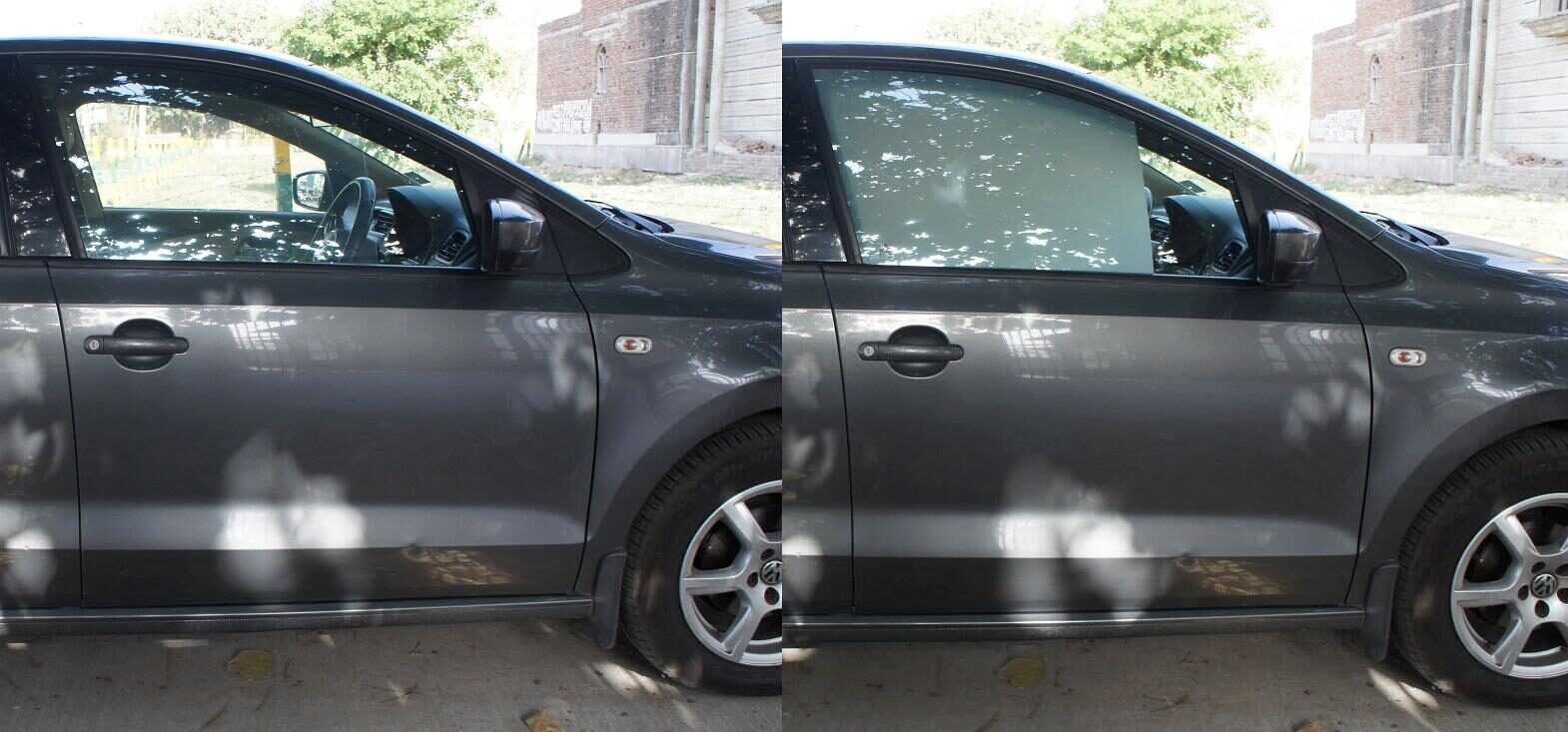
Smart Glass Film is revolutionizing the auto industry. The automobile industry is seeing its windows become smarter, with this change being much more than just a fashion. The intelligent film in automobiles is a film which makes it possible for the driver to change a clear window to an opaque one within seconds through an electrical current. This technology makes it possible to gain privacy, protect oneself from the sun, and become energy efficient through a single layer of the self-adhesive film.
What Is Smart Film for Cars?
Smart film, also known as switchable smart film, , is a thin, self-adhesive layer applied to a vehicle’s glass that changes its opacity when an electric current is passed through it. This way, one is able to transform a window glass from being transparent to being frosted with privacy white instantly, without having to remove the existing window. Since this transformation is instant and reversible, it serves as a privacy glass, a control for sunlight, and a comfort factor in one package.
Why Do Cars Need Smart Film?
Smart film is employed in cars to help address three problems simultaneously: privacy, heat, and glare issues, as well as being more energy-efficient. For example, passengers in a limousine or any executive vehicle will have their window tinted for privacy when discussing something in confidence and untainted once the ride is over. This will shield the driver from the blazing sun and glaring headlights without permanently tinting the windows. Moreover, the tinting film prevents exposure to the sun’s rays and reduces the heat in the car, thus easing the cooling process.
Types of Smart Glass Film in Automobiles
Switchable film used in automobiles is generally grouped by the technology behind it:
Electrochromic Film: Changes colour when a small electric current passes through it, working much like a dimmer switch controlled from a phone or dashboard button.
Suspended Particle Device (SPD) Film: Made of microscopic particles that align when voltage is applied, giving precise control over how much light and heat enter the vehicle.
Thermochromic Film: Responds to temperature rather than electricity, adjusting its transparency as the cabin heats up, making it a passive option that needs no wiring for basic energy efficiency.
Hybrid Smart Film: Combines electrochromic and SPD technology for better performance and more features, typically used in premium or custom installations.
Benefits of Smart Films Over Traditional Tints
- Energy Efficiency: Smart film cuts a vehicle’s carbon footprint by boosting energy efficiency and reducing how much the air conditioning has to run, an advantage traditional tints do not offer since they only block heat passively and cannot be adjusted.
- Customization: Smart film can be controlled through an app or integrated with the vehicle’s own systems for automated shading based on conditions, while a traditional tint offers no automation or customization once installed.
- Enhanced Privacy: Smart film can obscure visibility into the vehicle instantly at the touch of a button, whereas a traditional tint provides only a fixed level of privacy that may not suit every situation.
- Improved Climate Control: Smart film blocks UV rays and reduces heat with shading that can be adjusted for changing weather, giving it a level of climate control that a fixed tint simply cannot match.
How Smart Film Promotes Safety and Privacy
Safety Features
- Protection from Breaking: Smart film acts like a safety shield on car windows; if the glass breaks in an accident, the film helps hold the broken pieces together, making the vehicle safer for everyone inside.
- Blocking Harmful Sun Rays: It blocks harmful sun rays, protecting skin from damage and keeping the interior from fading or getting damaged by prolonged sun exposure.
- Reducing Bright Lights: By adjusting how see-through it is, the film reduces bright light from the sun or oncoming headlights, making it easier to see while driving and easier on the eyes over a long trip.
- Enhanced Driver Focus: That same control over incoming light helps a driver stay focused on the road instead of being distracted by glare.
Privacy Features
- Discreet Passenger Comfort: Back-seat passengers in luxury or rideshare vehicles can dim the windows for a private, comfortable ride whenever they choose.
- Instant Opacity Control: A simple switch or app lets users obscure visibility into the vehicle on demand.
- Protection Against Unauthorized Viewing: This same control helps protect belongings left inside the car from prying eyes and opportunistic theft.
- Seamless Integration with Smart Systems: In vehicles with automation built in, many smart films connect directly to those systems and adjust privacy automatically based on conditions or user settings, so nothing has to be switched on manually every time.
How Is Smart Film Installed on a Car?
The process of film installation must be done by professionals because it requires cutting the film to the exact shape of each window and, if it is one of the switchable films such as electrochromic or SPD type, it will require connection to the car’s electric systems. First of all, the window must be cleaned of dust or residues that might cause the appearance of air bubbles between the window and the film. Then, the film must be applied to the window using heat and a squeegee. Finally, for the switchable film, it needs to be tested if the process of changing the opacity happens properly. Full car installation takes several hours, and the skillfulness of the installer is more critical when dealing with smart film rather than regular tint.
How to Maintain Smart Film for Longer Life
Maintenance of smart films is minimal but there are certain things that will help improve its longevity. The smart film should be cleaned using a soft microfiber cloth with a non-ammonia glass cleaner as ammonia may affect the adhesive and electronic component on switchable types. Keep sharp objects, roof racks, and abrasive sponges away from the film’s surface, and have the wiring and connections checked during regular vehicle servicing, since a loose connection is the most common reason a film stops switching properly. With reasonable care, most smart films on the market today are built to last between eight and ten years.
Is Smart Film Legal for Cars in India?
Indian law regulates window tinting through visual light transmission (VLT) limits, requiring at least 70% VLT on the windshield and rear windshield and 50% VLT on the side windows. A permanently dark tint that falls below these limits is not road-legal, regardless of the material used. Smart Switchable Films have an advantage over tint films in that they do not remain dark at all times; this film can be used during driving, whereas tinted films have to be kept dark throughout. This is the reason why some suppliers have marketed the switchable film as a legal replacement for the tinted films. However, the laws regarding the use of tint films differ in different states, and therefore it would be advisable to check the law of your own RTO first.
Which Vehicles Is Smart Film Suitable For?
Smart film isn’t limited to luxury sedans. It works well on sedans and SUVs looking for a premium privacy upgrade, on electric vehicles aiming to protect driving range, on chauffeur-driven and rideshare cars where passenger privacy is part of the service, and on commercial fleets that want to keep cargo or equipment out of view. Newer stretchable and rollable film variants have also started appearing on vehicles with curved glass and unconventional window shapes, widening the range of vehicles the technology can be used on.
Innovation and Markets Trends
Smart Glass in Electric Vehicles
Indeed, smart glass technology can be considered especially advantageous for application in electric vehicles as it will help to enhance their performance, functionality, and overall user experience. In fact, by blocking or letting sunlight in, smart films help to keep out heat from the sun and thus decrease the load on the air conditioner, and passive smart films do that without using any electricity. This efficiency gain aligns naturally with an EV’s eco-friendly mission, and it also fits neatly into the automation many EVs already carry, since light sensors and voice commands can adjust the film dynamically to match conditions. Some smart glass films add a layer of noise reduction for a quieter cabin as well, complementing the low-noise character EVs are designed around, while also protecting occupants and interior materials from harmful UV rays.
Emerging Technologies in Smart Film
Smart film technology continues to evolve quickly. Advances in material science have produced stretchable, rollable films that can now be applied to curved, irregular surfaces, expanding their use in more adventurous vehicle designs. Thermochromic and photochromic films are being developed further, so they adjust to environmental changes without drawing any electricity, and new customization options let users choose smart film colours and support gradual adjustments instead of a simple on-off switch, giving far more precise control over heat and light. Sustainable manufacturing is also a growing focus, with recyclable and biodegradable materials entering production, alongside early integration between switchable film and head-up display systems, and films engineered to perform reliably across a wider range of operating temperatures.
Market Growth and Adoption
Global Market Size and Projection
The smart films market in the automobile sector is still experiencing remarkable growth, with the market estimated to grow at a compound annual growth rate of between 10% and 15% from 2023 through 2030. This growth will be fueled by technological advancements in the automobile sector.
Regional Growth Trends
The adoption levels have been seen to be higher in North America, owing to its luxury cars and energy efficiency requirements. The European market has grown in line with sustainable energy and increased electric vehicle production in the region.
Influence of Electric Vehicles (EVs)
The increasing EV industry plays a crucial role in encouraging the use of smart films because the car manufacturers make use of smart glass films to increase their energy efficiency in line with electric cars.
Key Drivers of Adoption
In addition, energy efficiency and sustainability objectives drive acceptance, as smart films help reduce thermal buildup, decrease the need for air conditioning, and increase fuel efficiency or electric vehicle driving range in alignment with global sustainability tendencies. Regulations encouraging energy efficiency and reduction of carbon dioxide emissions also promote adoption of smart films in accordance with those requirements, while emerging production techniques continue to make smart films cheaper through the gradual cost reduction process.
Challenges to Adoption
The cost of the smart glass film is still higher compared to the cost of the conventional tint even as the price continues to reduce. Lack of information on the advantages of smart film may also affect the penetration of the technology in some areas, and ensuring that the product will withstand different climatic conditions for years to come is also important.
Future Outlook
Autonomous vehicles would see a spike in the demand for switchable film owing to the importance of comfort and privacy in such automobiles. Continued growth of electric vehicles would see the use of smart glass increase because of the direct application of the technology in saving energy and making eco-friendly vehicles. With the production costs continuing to reduce, switchable film will definitely find its way into mid-end and low-end cars in future.
The Role of Smart Glass in Sun Control
Smart film plays a central role in sun control, offering new ways to manage sunlight, heat, and UV exposure inside a vehicle:
- Dynamic Light Management: Allows switching between transparent and opaque states as needed.
- Heat Reduction and Cost Savings: Reduces the need for air conditioning by cutting down on heat build-up, which lowers energy consumption and delivers real cost savings.
- UV Protection: Gradual adjustment options give precise control over how much sunlight enters the cabin, cutting UV exposure without sacrificing visibility.
- Environmental Impact: Helps reduce greenhouse gas emissions by easing reliance on cooling systems.
- Aesthetics and Functional Integration: Preserves the clean, modern look of a privacy glass surface without the bulk of blinds or shades.
Conclusion
Smart film have transitioned from a mere gimmick to a realistic solution for addressing issues of privacy, sunlight regulation, and efficiency in contemporary automobiles. Not only does it shield one from the effects of UV radiation and glare but also offers privacy for passengers of the vehicle and, in electric cars, directly influences range through less strain on the AC system. It is a relatively hassle-free solution with easy maintenance and professional installation, and the fact that it can be switched on and off makes it a suitable choice over fixed tints despite changing regulations. As it becomes cheaper and better technologically, smart films will soon enough be an option to consider when buying a car.
Frequently Asked Questions (FAQs)
- Is smart film legal for car windows in India?
Smart film can be kept in a clear, high-VLT state while driving, which keeps it within the Supreme Court-mandated limits of 70% VLT on windshields and 50% on side windows. It can then be switched to opaque when the vehicle is parked. Rules can vary by state, so confirming with your local RTO before installation is recommended.
- How is smart film different from a normal window tint?
A normal tint is fixed and stays at the same darkness at all times. Smart film can switch between clear and opaque on demand, can be automated through the vehicle’s systems, and offers better energy efficiency because it can be kept clear or reflective depending on conditions rather than always blocking light.
- Does smart film work well in electric vehicles?
Yes. Smart film reduces solar heat gain inside the cabin, which lowers how much the air conditioning system has to work. Since AC load is one of the bigger drains on an EV’s battery, this can translate into a meaningful improvement in real-world driving range.
- How long does professional installation take?
A full-vehicle installation typically takes a few hours, depending on the number of windows and whether the film requires wiring for electronic switching. Professional installation is strongly recommended, since improper fitting or wiring can shorten the film’s lifespan.
- What maintenance does smart film need to last longer?
Clean it with a soft microfiber cloth and an ammonia-free glass cleaner, avoid abrasive materials near the surface, and have the wiring checked during regular servicing for switchable variants. With proper care, most smart films last between eight and ten years.